



Your car won’t start. Maybe the check engine light is on, or something smells off when you turn the key. You pop the hood, and there it is: a pile of twigs, leaves, and cactus bits sitting right on top of your engine, next to a bundle of wires that’s been gnawed down to bare copper.
Welcome to pack rat season in Prescott.
If you live anywhere in the area, you’ve either dealt with this or you know someone who has. Here’s why your car is the target, what the damage really costs, and how to keep these desert bandits away.
Meet the Pack Rat, Prescott’s Busiest Little Bandit
Pack rats, also called woodrats or trade rats, are native desert rodents, and they thrive right here in the high country. According to the University of Arizona Cooperative Extension in Yavapai County, three woodrat species call central Arizona home, and they’re most common in the pinyon-juniper, chaparral, and desert scrub that surrounds Prescott. In other words, your neighborhood.
You can tell a pack rat from a common rat by its furry tail, white feet, and pale belly. They run about 7 to 8 inches long, not counting the tail, with oversized ears and eyes.
Here’s the part people love. Pack rats are hoarders. They gather sticks, cactus, and trash to build a bulky nest called a midden, and they can’t resist shiny objects. Extension experts note that a pack rat will carry off a coin, a key, or a piece of jewelry, then drop it the second it finds something better. That’s how they earned the nickname trade rat.
Why Pack Rats Love Your Engine Bay
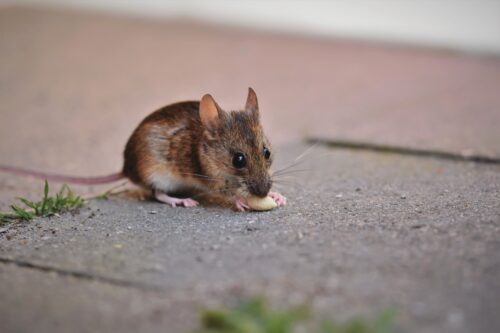
A car engine is a five-star hotel for a pack rat. It’s warm, it’s dark, and it’s tucked away from the owls, coyotes, and hawks that would happily make a meal of them.
That last part matters more than you think. When you park in a garage, you’ve taken the predators out of the equation, which can make your car more appealing, not less.
Timing plays a role too. As Prescott’s fall nights start to cool, pack rats go hunting for warmth, and an engine holds heat for hours after you’ve parked. Once a pack rat moves in, it starts hauling in nesting material and chewing through whatever’s in the way.
And there’s plenty in the way. Wiring, vacuum hoses, and insulation are all fair game. Many newer vehicles use soy- and plant-based coatings on their wires, and some people believe that makes them even more tempting to a hungry rodent.
What Pack Rat Damage Actually Costs
This is where a cute critter turns into a real expense.
Chewed wiring causes electrical shorts, dashboard warning lights, and cars that simply won’t start. In the worst cases, exposed wires can become a genuine fire risk. The same is true in your attic, where gnawed electrical wiring is one of the most dangerous things a pack rat can leave behind.
Repairs aren’t cheap. Rodent wiring damage commonly runs from a couple hundred dollars into the thousands, depending on what’s been chewed. Here’s one bit of good news: comprehensive auto insurance often covers rodent damage, so it’s worth a call to your provider before you pay out of pocket.
Prevention, as usual, costs a small fraction of the cost of repairs.
How to Keep Pack Rats Out of Your Car
You can make your vehicle a lot less inviting with a few simple habits. Start here:
- Pop the hood. If your car sits for days at a time, leaving the hood up overnight lets in light and cool air, making the engine far less cozy.
- Drive it regularly. A car that moves often is a moving target, and rodents prefer a vehicle that sits still.
- Clear the launch pads. Move woodpiles, dense shrubs, cactus, and yard debris away from where you park.
- Cut the clutter in the garage. Stored boxes, clutter, and open pet food give a pack rat a reason to move in right next to your car.
- Try a deterrent, with realistic expectations. Under-hood lights, ultrasonic devices, and peppermint or rodent-repellent sprays can all help, but treat them as speed bumps, not fences.
Why DIY Only Gets You So Far
Here’s the thing about pack rats: they reproduce fast. A single female can have a new litter every couple of months, so two rats turn into a dozen before you know it.
Deterrents don’t remove a midden that’s already built, and they won’t evict a rat that has decided your engine bay is home. If you’re already finding droppings, chewed wires, or nests, you’re past the deterrent stage.
At that point, you want a real plan: locating and removing the nest, sealing the entry points, and setting up prevention so the next rat doesn’t just claim the vacancy. If you want to know what to watch for, we walked through the signs of a pack rat problem and what to do when they’re already in your house in two separate guides.
When to Call in the Pros
We’ve been doing this in Prescott since 1976, and pack rat calls are among the most common we get. Our licensed technicians know where these rodents nest, how they get in, and how to keep the next one out, using eco-friendly products that are safe around kids and pets.
Our rodent control starts with a thorough inspection of your home, garage, and property, not just a trap set in the corner. We find the nests, seal the gaps, and build a plan that fits your situation. And we stand behind our work with a satisfaction guarantee. No company can honestly promise a rat will never wander back, but we can promise we’ll show up and make it right.
Don’t Wait for the No-Start
If there’s a pile of sticks on your engine, or you’d just rather not find out the hard way, schedule an inspection with Patriot Pest or call us at (928) 443-1566. We’ll help you get the pack rats out and keep your wiring where it belongs.